
One team, every discipline
How each engineering discipline contributes to Basic Engineering — coordinated through one lead engineer, one model and one document register.
- 7Disciplines
- 1Integrated model
- 4-levelChecking
Process
Freezes the process design basis and delivers the core package the downstream disciplines rely on.
Key deliverables
- Design basis and philosophies
- PFDs and H&M balances
- Preliminary P&IDs
- Process data sheets
Piping & Layout
Develops the plot plan and key routing so equipment and rack sizes can be fixed.
Key deliverables
- Preliminary plot plan
- Key line routing studies
- Pipe rack sizing
- Line list (preliminary)
Mechanical (Static & Rotating)
Specifies major static and rotating equipment for budget and long-lead quotations.
Key deliverables
- Mechanical data sheets
- Equipment specifications
- Long-lead enquiry packages
- Vendor bid tabulations
Civil & Structural
Defines structural and civil concepts for the main units and buildings.
Key deliverables
- Structural design basis
- Foundation concepts
- Building sizing
- Civil MTO factors
Electrical
Develops the power system concept and load list.
Key deliverables
- Electrical design basis
- Load list
- Key single line diagram
- Hazardous area philosophy
Instrumentation & Control
Sets the control and safety system architecture and instrument philosophy.
Key deliverables
- Control philosophy
- System architecture
- Preliminary instrument index
- SIS / F&G philosophy
HSE & Process Safety
Builds safety into the basis before FEED begins.
Key deliverables
- HAZID and early HAZOP
- Relief and flare philosophy
- Fire and gas philosophy
- Safety design basis

Process design basis
The core process documents are developed from steady-state simulation and checked for consistency across all operating cases (design, normal, turndown and start-up).
- Basis of Design: feed / product specs, battery limit conditions, design margins
- PFDs and heat & material balances for all operating cases
- Preliminary P&IDs with control and safeguarding philosophy
- Process descriptions, operating philosophy and control narratives
- Line list inputs and preliminary hydraulic calculations
Equipment sizing & data sheets
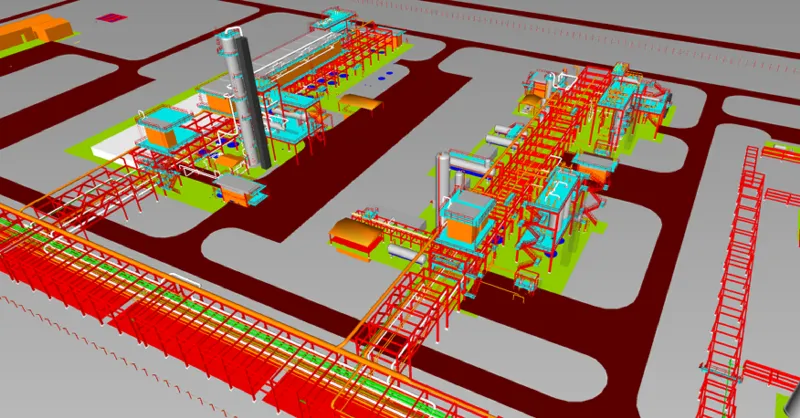
Major equipment is sized and specified to the level needed for budget quotations and long-lead enquiries.
- Process data sheets: columns, vessels, exchangers, pumps, compressors and fired heaters
- Thermal and hydraulic sizing (e.g. HTRI, vendor tools)
- Relief load assessment and preliminary flare load summary
- Utility summary: steam, cooling water, power, instrument air, nitrogen
- Effluent and emission summary
Layout, cost & FEED scope
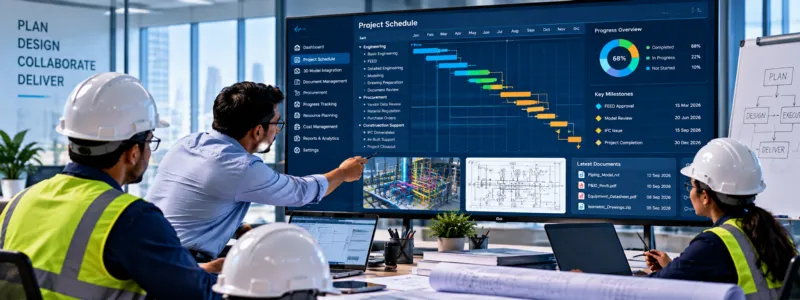
Pre-FEED completes the definition needed to budget the project and to tender the FEED on a firm scope.
- Preliminary plot plan and equipment layout with safety distances
- Preliminary hazardous area classification (IEC 60079-10-1 / API RP 505)
- Electrical load list and single-line diagram concept
- Class 3/4 cost estimate (typically ±20–30%) and Level 2 schedule
- Long-lead item list and FEED scope of work / ITB
Frequently asked questions
What is the difference between a PDP and a BED?
A Process Design Package (PDP) is usually issued by a technology licensor for its licensed unit. The BED takes the PDP and extends it into a complete basis for the whole plant, including utilities, offsites and interfaces.
Which documents make up a BED package?
Typically the basis of design, PFDs, heat & material balances, preliminary P&IDs, process descriptions, equipment list and process data sheets, relief load summary, utility and effluent summaries and a preliminary plot plan.
Do you carry out HAZOP at this stage?
A preliminary HAZOP or process safety review is recommended on the BED P&IDs. We prepare nodes and documentation and incorporate the recommendations.
What estimate accuracy can be achieved?
Usually AACE Class 3 to 4 (about ±20–30%), depending on design maturity and the availability of vendor budget quotations.
Can you integrate several licensed units?
Yes. We manage the interfaces between licensor packages and design the common utilities, offsites and tie-ins.
Ready to start your next project?
Share your requirements and our engineering team will come back with a tailored proposal.
- ISO 9001:2015 Certified
- Offices in USA & India
- Codes & Standards Compliant