

One team, every discipline
How each engineering discipline contributes to Cost Estimation — coordinated through one lead engineer, one model and one document register.
- 7Disciplines
- 1Integrated model
- 4-levelChecking
Process
Supplies the process basis that defines estimate scope and battery limits.
Key deliverables
- Scope and battery limit definition
- Equipment and utility basis
- Chemical and catalyst quantities
- Scope change tracking
Piping & Layout
Provides piping quantities by size, rating and material.
Key deliverables
- Piping MTOs
- Valve and specialty item counts
- Insulation and painting quantities
- Weld inch estimates
Mechanical (Static & Rotating)
Supplies equipment pricing from vendor quotes and databases.
Key deliverables
- Equipment cost from quotes
- Package unit pricing
- Freight and spares allowances
- Vendor quote normalisation
Civil & Structural
Quantifies civil, concrete and steel work.
Key deliverables
- Concrete and rebar volumes
- Steel tonnage
- Earthwork quantities
- Building costs
Electrical
Quantifies electrical equipment and bulk materials.
Key deliverables
- Major electrical equipment pricing
- Cable and tray lengths
- Lighting and earthing quantities
- Installation man-hours
Instrumentation & Control
Quantifies instruments, systems and I/O.
Key deliverables
- Instrument counts and pricing
- Control system pricing by I/O
- Cable and junction box quantities
- Calibration and loop check hours
Project Controls & Estimating
Builds and validates the estimate with risk-based contingency.
Key deliverables
- Basis of estimate
- Direct and indirect costs
- Monte Carlo contingency (P50 / P80)
- Benchmarking and validation
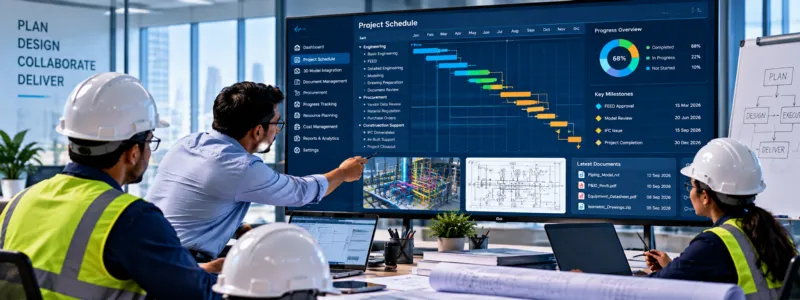
The right method for each stage
Estimating methodology is matched to the maturity of the engineering, from capacity-factored studies to detailed unit-rate estimates.
- Class 5 / 4: capacity-factored and equipment-factored (Lang / Hand) estimates
- Class 3: semi-detailed estimates from FEED MTOs and vendor budget quotes
- Class 2: detailed control estimates from detail engineering quantities
- OPEX estimates: utilities, chemicals, catalysts, manpower and maintenance
- Basis of estimate (BoE) for every issue
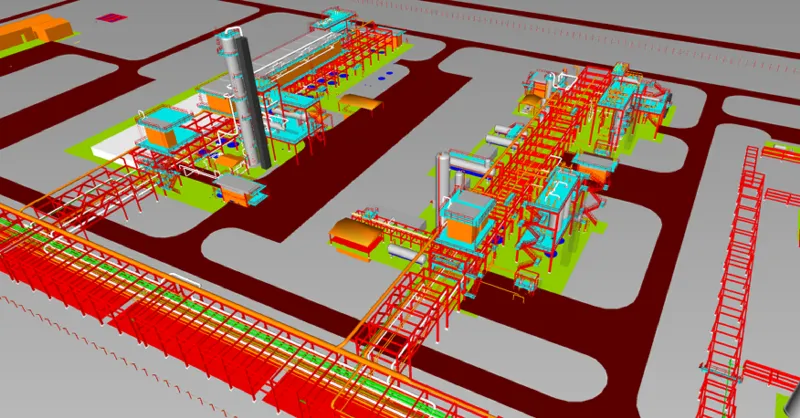
Bottom-up MTO pricing
Direct costs are built up from engineering quantities and priced with current market data.
- Equipment pricing from vendor quotations and cost databases
- Bulk material pricing: piping, steel, concrete, cable and instrumentation
- Installation man-hours and regional productivity factors
- Indirects: engineering, construction management, temporary facilities, freight and duties
- Benchmarking against comparable projects

Contingency & budget control
Contingency is derived from the project risk profile, and the approved estimate becomes the baseline for cost control.
- Risk-based contingency (e.g. Monte Carlo range analysis, P50 / P80)
- Escalation and currency exposure assessment
- Cost baseline and control budget breakdown
- Change order and variation evaluation
- Forecast-at-completion and trend reporting
Frequently asked questions
What accuracy can each estimate class achieve?
Per AACE 18R-97: Class 5 about −50% / +100%, Class 4 −30% / +50%, Class 3 −20% / +30%, Class 2 −15% / +20% (typical ranges, depending on project complexity and data quality).
What is a basis of estimate?
A document describing the scope, methods, quantities, pricing sources, assumptions, exclusions, risks and contingency behind an estimate, so that it can be reviewed, compared and trusted.
How is contingency determined?
From the project risk register and estimate uncertainty, typically through range analysis to obtain P50 and P80 values, rather than a flat percentage.
Can you review an estimate prepared by others?
Yes. We carry out independent estimate reviews and benchmarking before FID, contract award or budget approval.
Do you estimate brownfield and revamp projects?
Yes, including allowances for tie-ins, shutdown windows, working in operating units and demolition.
Ready to start your next project?
Share your requirements and our engineering team will come back with a tailored proposal.
- ISO 9001:2015 Certified
- Offices in USA & India
- Codes & Standards Compliant